iGEM Foundation, Community Labs Track
Chaired the Community Labs Track at the iGEM Foundation for the 2015 competition cycle, on behalf of community-bio labs participating in the world's largest synthetic-biology student competition.
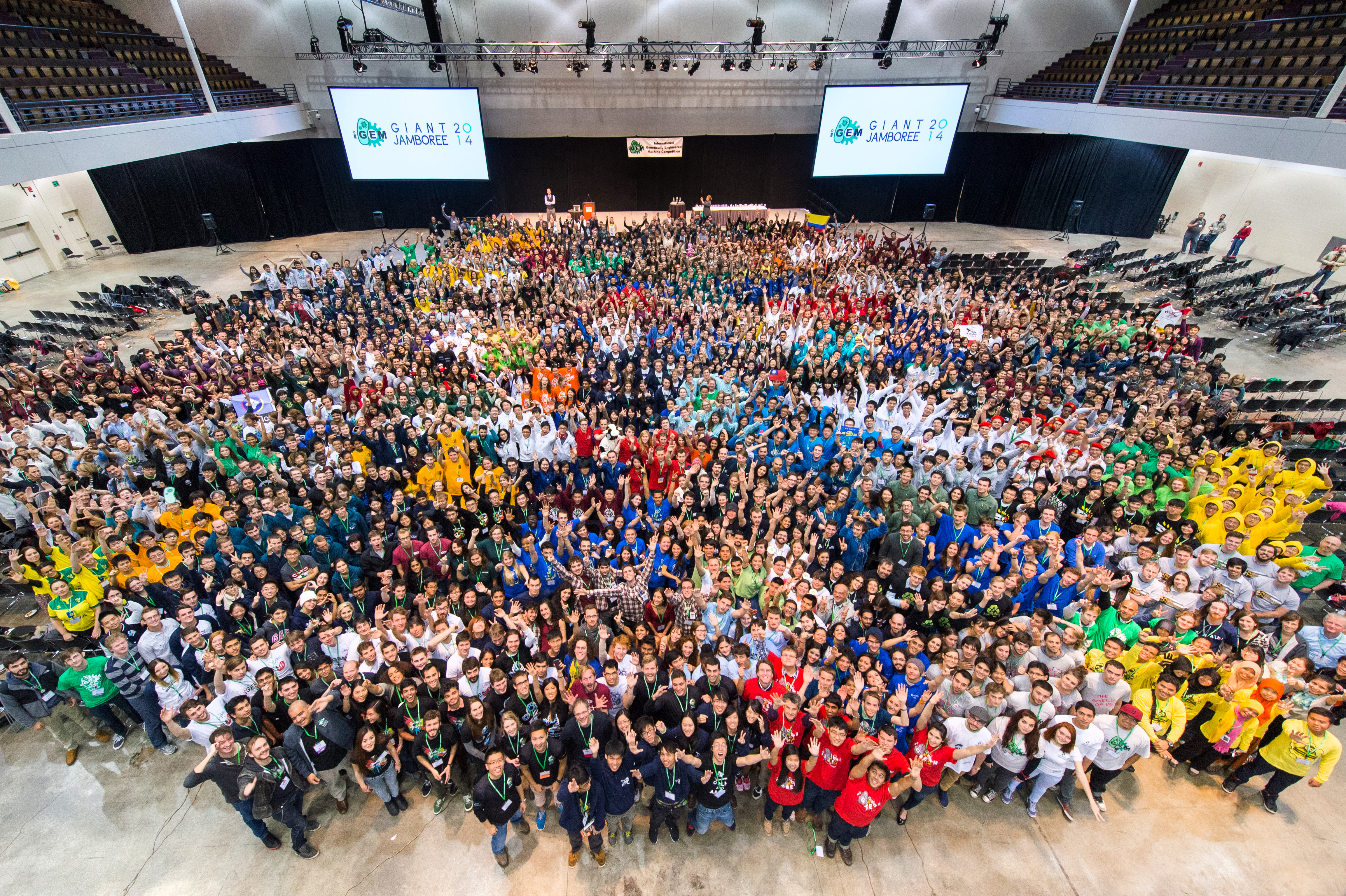
What it is. I chaired the Community Labs Track at the iGEM Foundation for the 2015 competition cycle. iGEM runs the largest synthetic-biology student competition in the world. The Track was the iGEM-side home for non-institutional and community-based synthetic-biology teams, run in coordination with the active DIYbio / community-bio organizers of that period. Some of that same community would later help organize the Global Community Bio Summit, beginning in 2017.
The problem behind it. Community-bio labs in the early 2010s had been building infrastructure piecemeal, paying for equipment, navigating local biosafety review, training newcomers, and hosting iGEM teams, without a stable institutional partner inside iGEM advocating for the lane. iGEM’s leadership needed someone with a foot in both the community-lab world and the formal-institution world to steward the Track for the year and write the year-end report.
What I did. The role was light-touch on the technical side and heavier on the institutional one. Standards conversations. Safety guidance for community-lab-hosted teams. Surfacing community-lab work into the iGEM main competition. Connecting newcomers who wanted to start a community lab to people who had already built one. Mid-cycle I was on the track committee trying to redefine the criteria for what the participating teams actually wanted to get out of the Track. The year-end report went back to the iGEM Foundation after the cycle wrapped. After that, the role passed on, and later iGEM adjusted how community-lab teams enter the competition altogether: rather than a separate Track, community-lab teams now participate as a “kind” and choose any standard track.
Collaborators
- iGEM Foundation — institutional home; international body for the synthetic-biology student competition
- DIYbio and community-bio organizers active in the 2015 cycle (some of whom later helped form the Global Community Bio Summit network from 2017 onward)
Press and references
Related projects
- 2010–2014
LA Biohackers
Co-founded a non-institutional community group with the goal of an open community biolab in Los Angeles. Active 2010–2014, alongside fellowship and lectureship at the UCLA Art|Sci Center.
- 2013–2017
BioDesign Studio
Permanent exhibition on synthetic biology, with a working biological design lab on the museum floor, tangible-tabletop microbe simulators, live cell-culture stations, and visitor-runnable design tools.